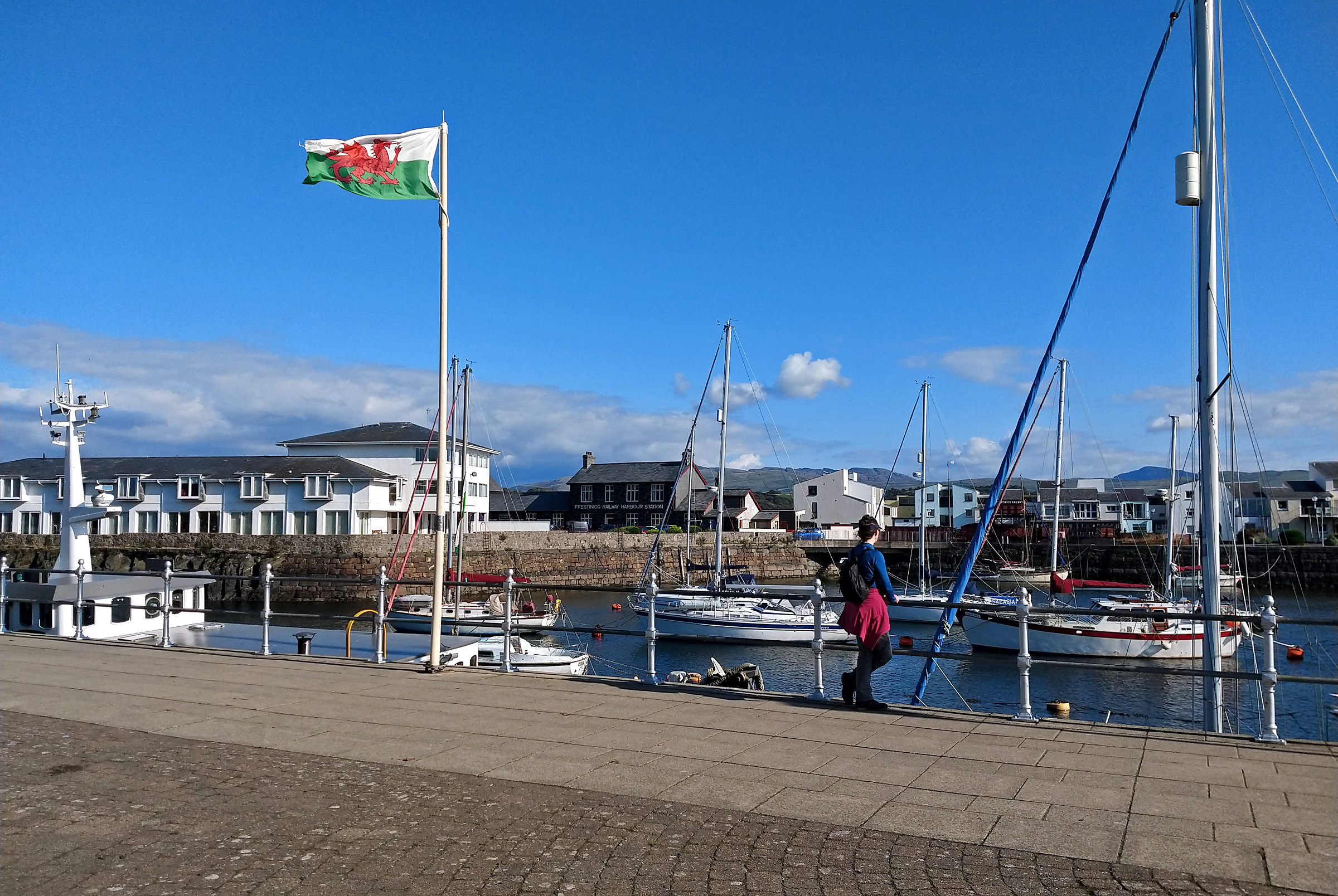
Harbour at Porthmadog. Porthmadog rapidly developed during the 19th C for exporting slate. Its importance as a port dwindled over the 20th C with the decline of the Welsh slate industry. Now the marina is used for leisure.
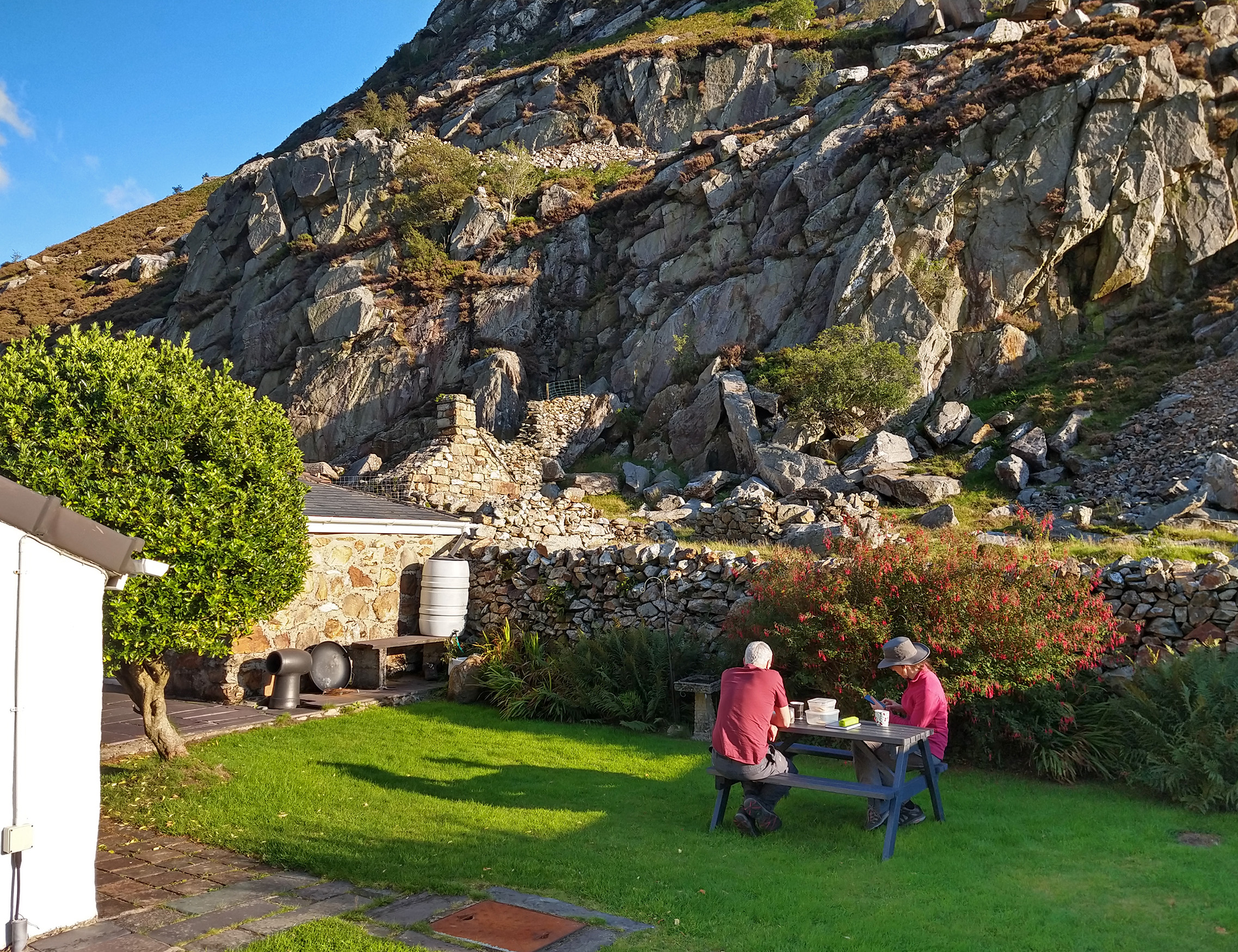
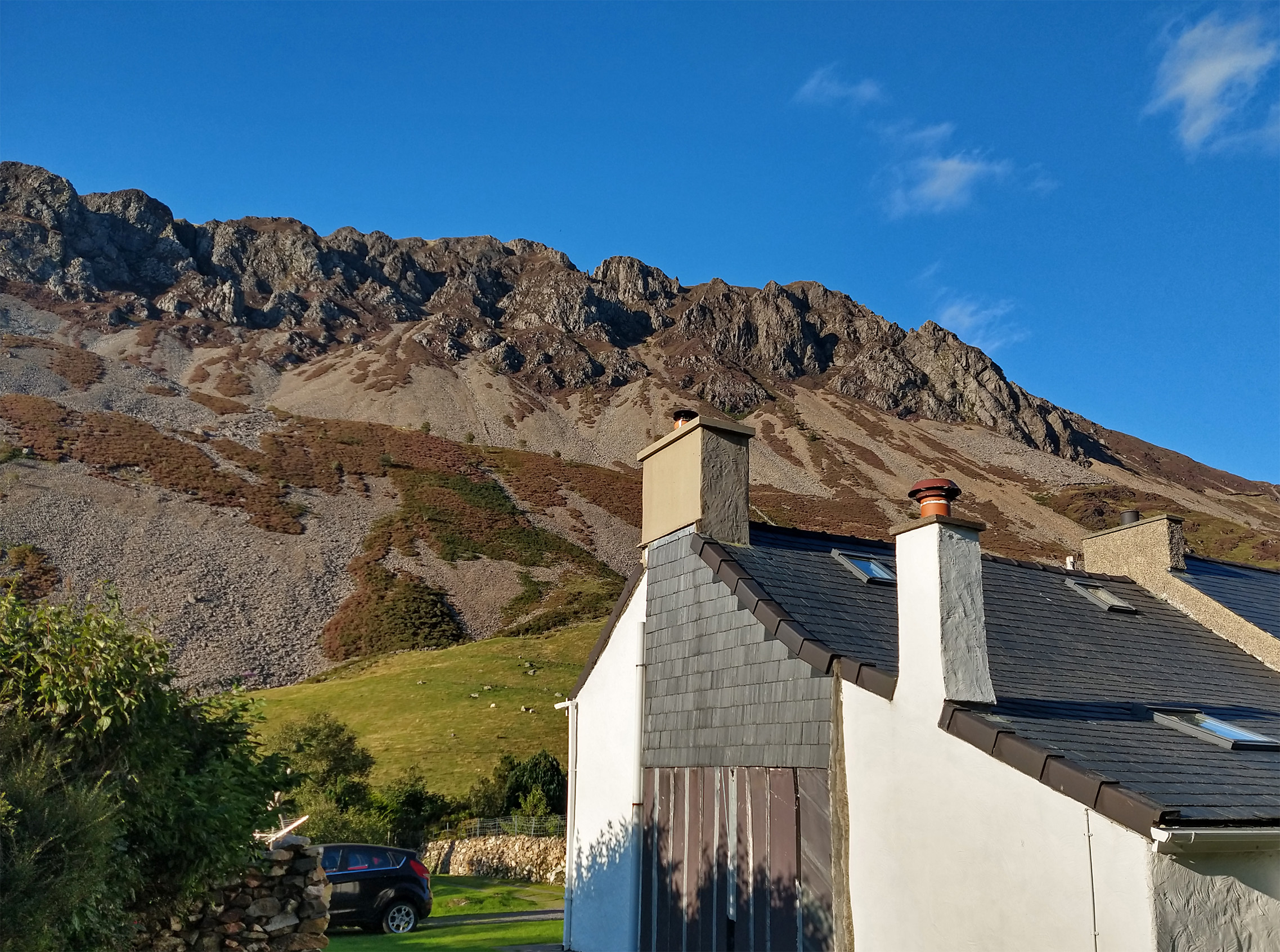
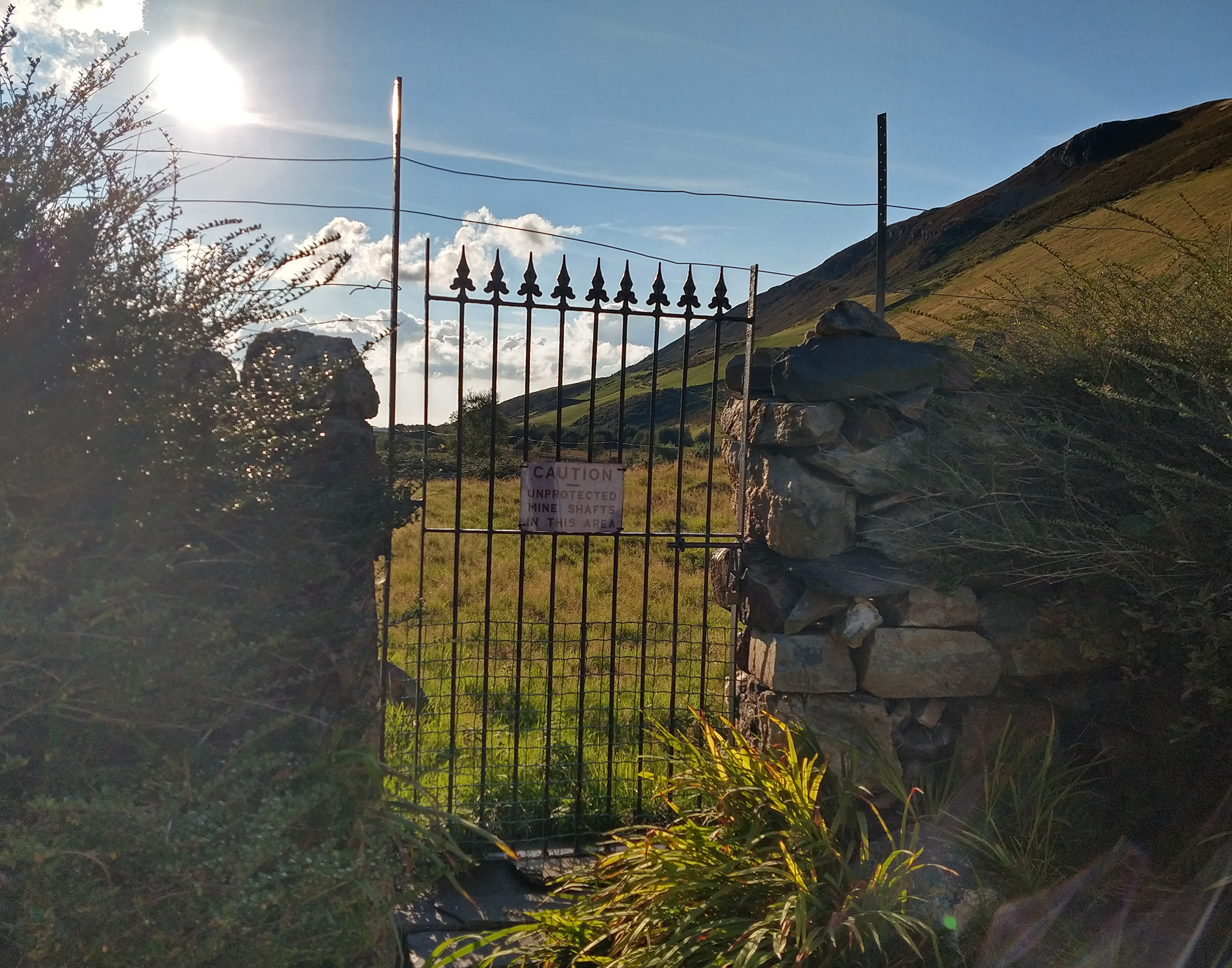
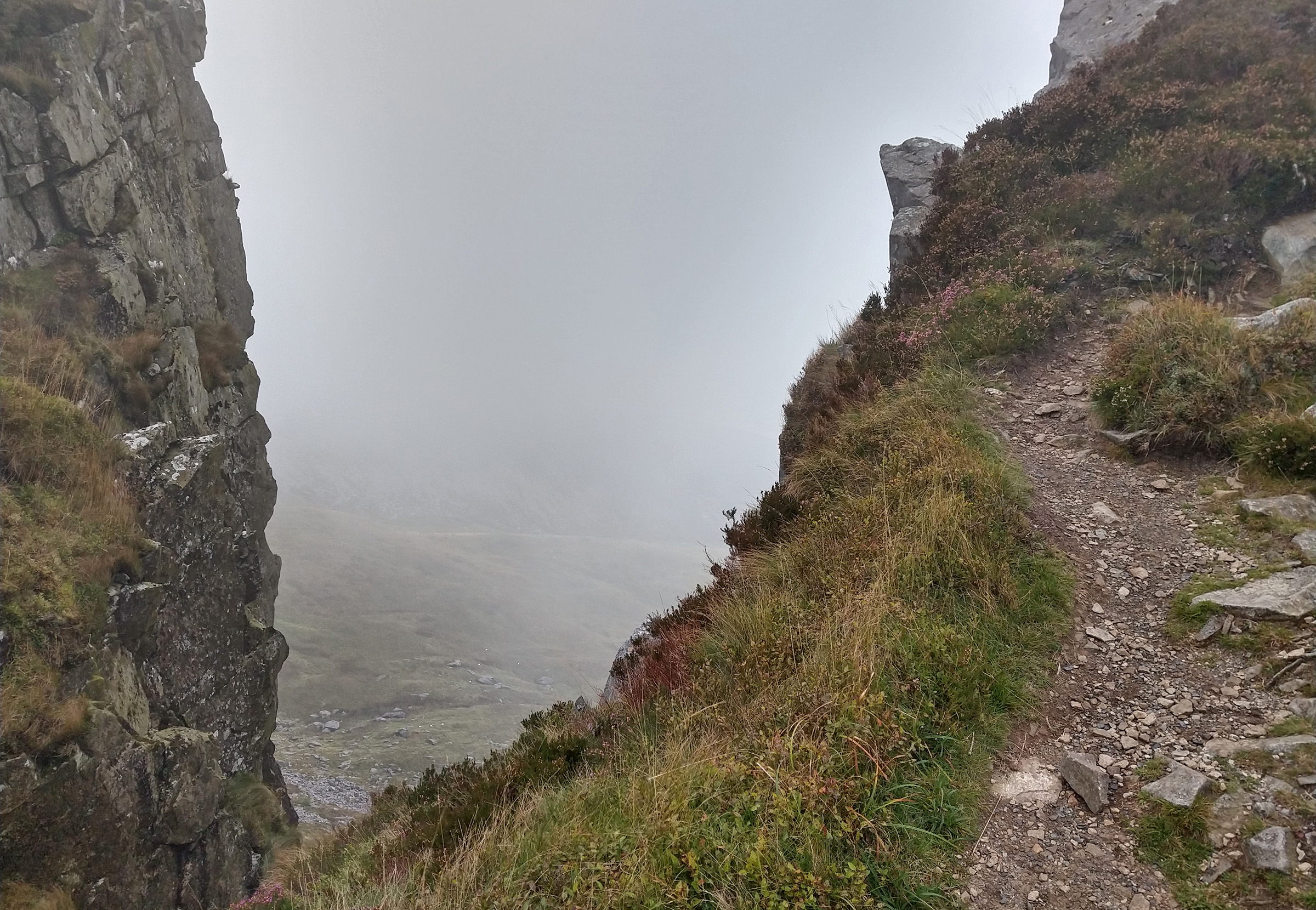
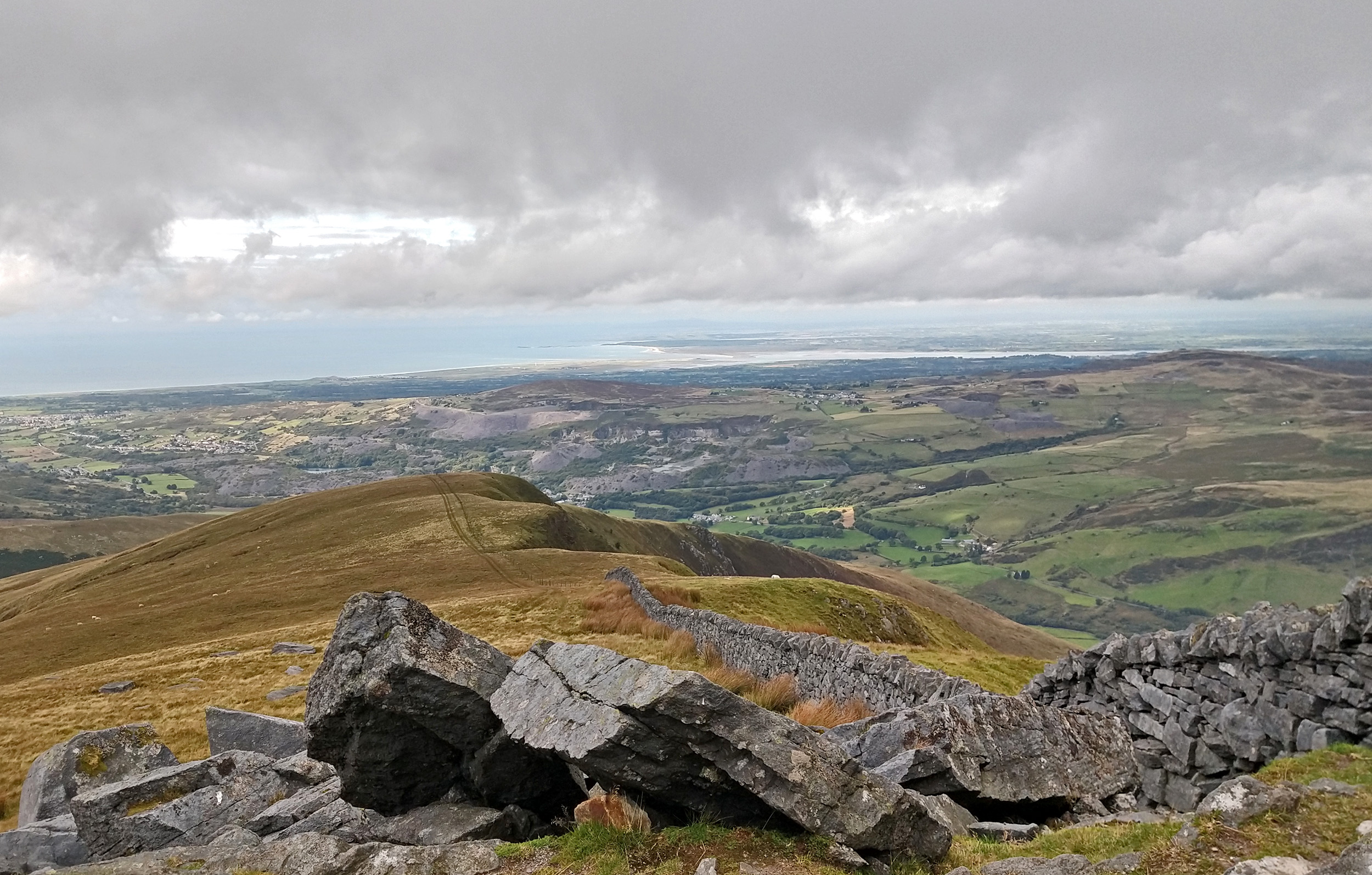
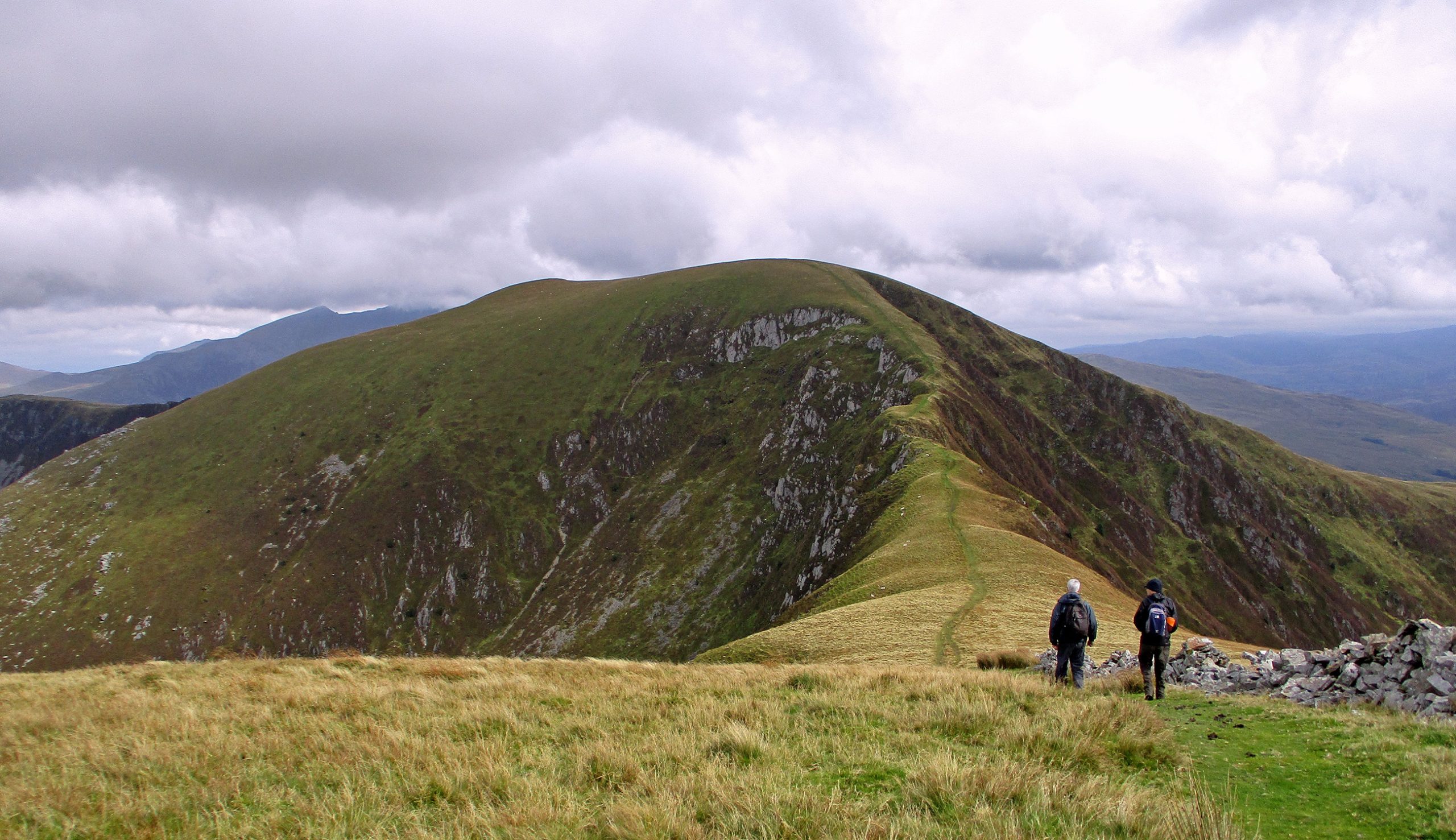
Locomotive Gelert at in the exhibition hall of the Welsh Highland Heritage Railway (based at Porthmadog). The WHHR is easily confused with the Welsh Highland Railway, which also operates from Porthmadog. The WHR is a much bigger affair, but its focus on tours meant that we failed to travel on it, despite Rhyd Ddu station being just at the head of the Nanttle valley. Being a much shorter affair (less than 1 mile), the WHHR was much more accommodating, and arguably more interesting.(Top left) Evening sun back at the cottage. (Right) Looking north over the cottage to the crags of Craig Y Bera (the peak, Mynydd Mawr, literally Big Mountain, 698 m, is behind). (Bottom) A reminder of the long history of mining.We worked up to tackling the Nanttle Ridge, a well-known route, but with some definite tricky bits. The ascent to Y Garn (633 m) from just outside Rhyd Ddu was straightforward. (Top left) The next stretch to Mynydd Drws-y-Coed was the hairiest, with some scrambling and careful choice of foot/hand-holds needed. Some of us bypassed the peak of Trum Y Ddysgl, before following a long grassy ridge (bottom left) to the Victoria monument on Mynydd Tal-y-Mignedd. The Nanttle ridge continues, but the lack of public transport made a round trip impractical, so we backtracked and headed south off the ridge, with views over towards Snowdown (bottom right).A wet day was the obvious occasion to visit the Sygun copper mine. The visitor centre had a surprisingly large and interesting museum.